Psychology
Psychology explained through everyday situations. Each piece takes one concept, shows what the research actually found, and where it turns up in daily life.
Why you think a first chat went badly when it didn’t (the liking gap)
Why a good idea sounds worse when the other side says it (reactive devaluation)
Why an in-person pitch beats a video call (costly signaling)
Why ads feel worse after a free trial ends (the endowment effect)
Why the other side always looks like the extreme one (naive realism)
Why you leave the pre-checked box checked (the default effect)
Why the same work looks better when it takes longer (the effort heuristic)
Why selling a losing stock feels like admitting defeat (the sunk cost fallacy)
Why the first number you see decides the rest (the anchoring effect)
Why you feel more noticed than you really are (the spotlight effect)

Why Do I Feel Like Everyone Is Mad at Me? It’s Often the Missing Tone
You feel like everyone is mad at you because texts and short replies hide tone, so your mind fills the gap. See…
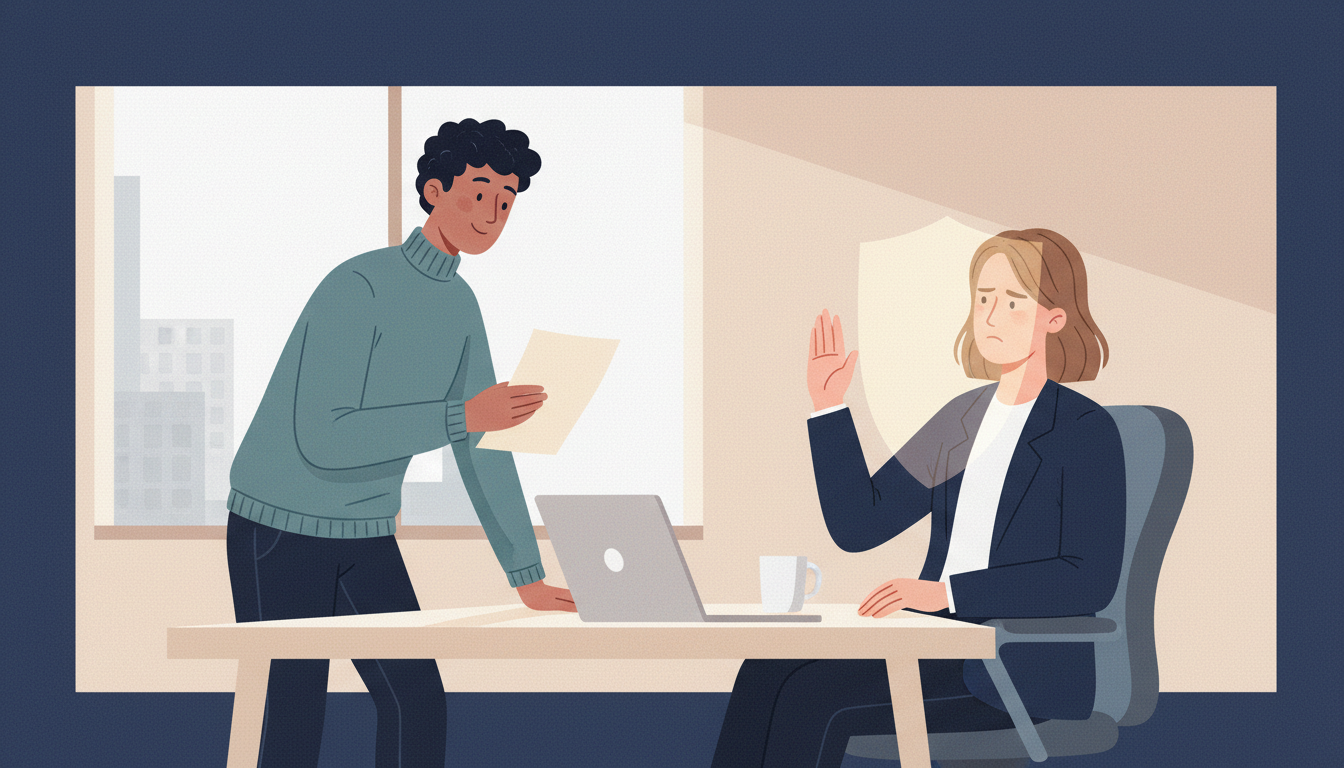
Why Do People Get Defensive? What a Simple Writing Task Revealed
People get defensive when a question feels like a threat to who they are. See what a classic 2000 study found and…
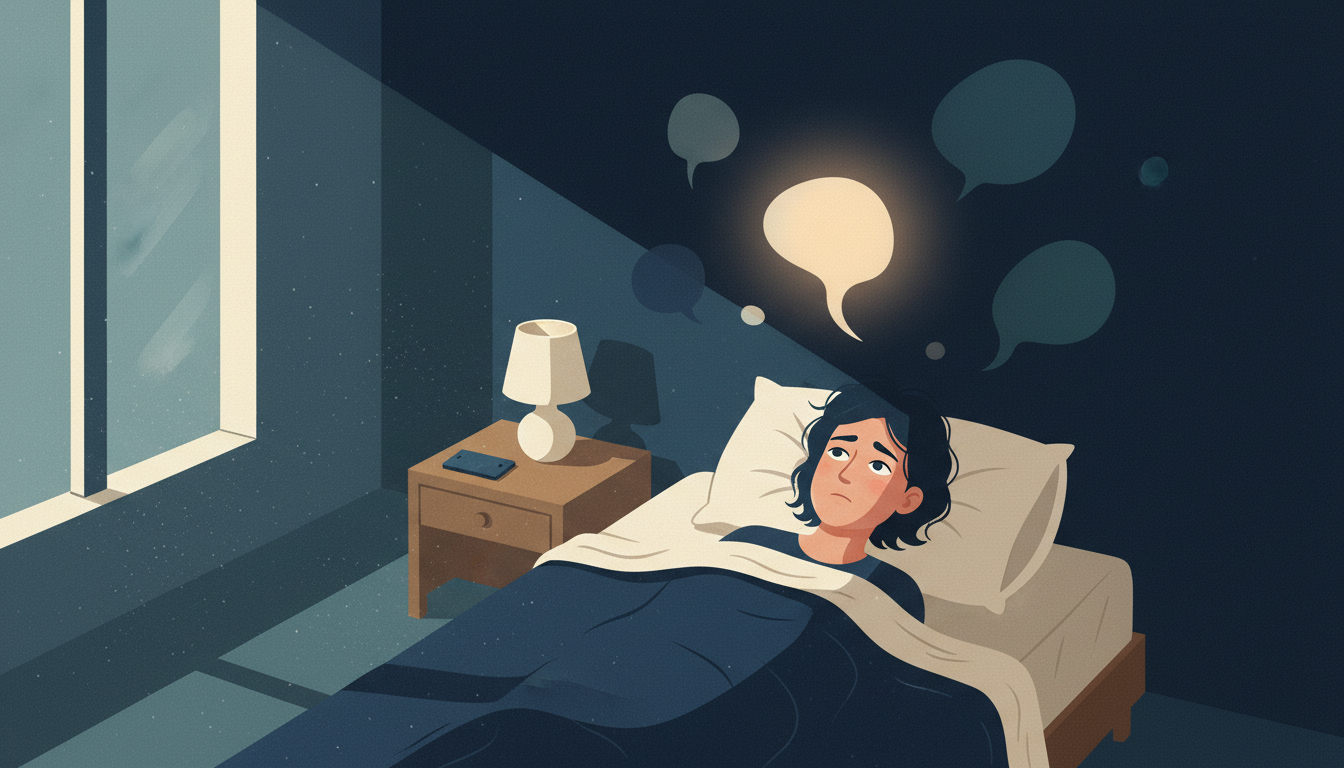
Why Do I Replay Conversations in My Head? What Research Says
You replay conversations in your head because your mind is checking how you came across. See why first meetings loop longest and…

Why You Think a First Chat Went Badly When It Didn’t: The Liking Gap
After a first conversation, most people think it went worse than it did. The liking gap explains why new people like you…
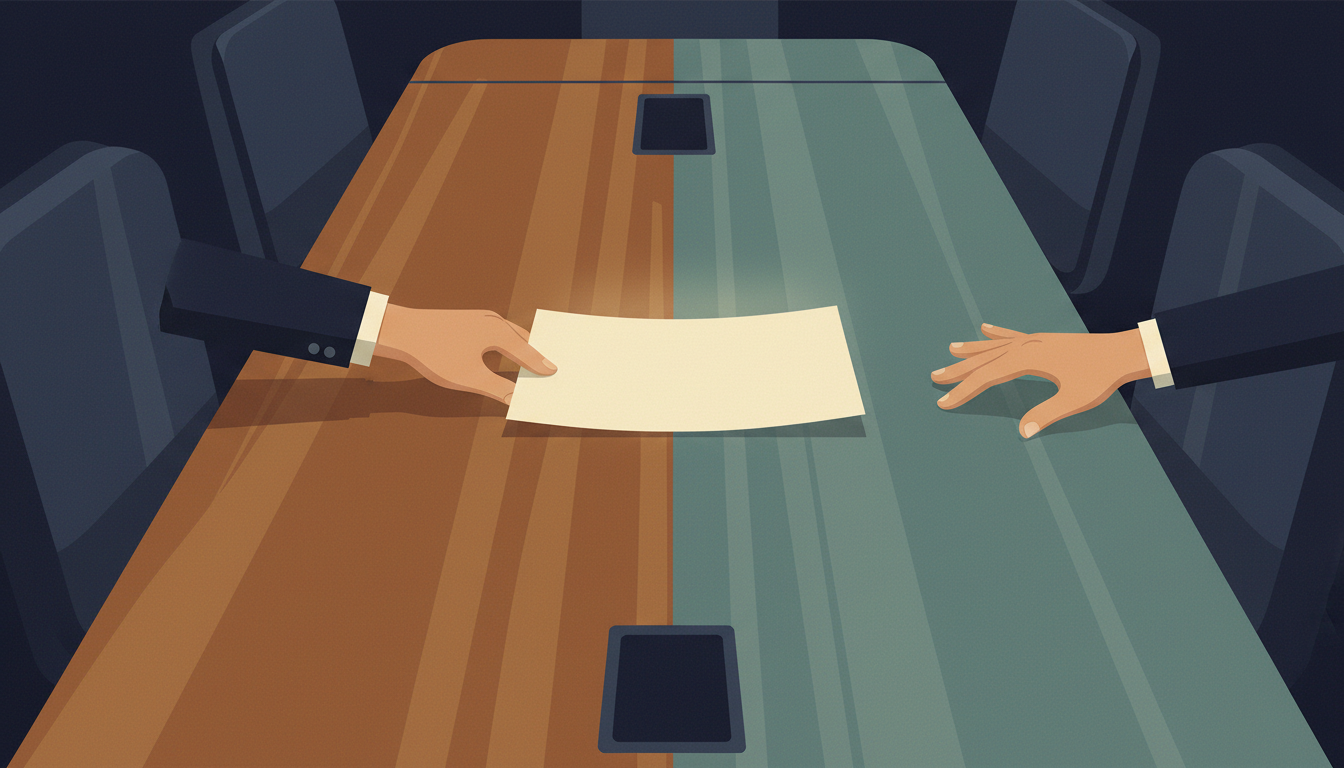
Why a Good Idea Sounds Worse When the Other Side Says It: Reactive Devaluation
Change only the president’s name on a policy and support flips. Reactive devaluation explains why ideas lose value once the other side…

Why an In-Person Pitch Beats a Video Call: Costly Signaling
Costly signaling theory explains why we trust people who pay a price to show they mean it, from a peacock’s tail to…

Why Ads Feel Worse After a Free Trial Ends: The Endowment Effect
A month without ads changed how ads felt. What coffee mug experiments, store shelves and card traders reveal about why giving something…
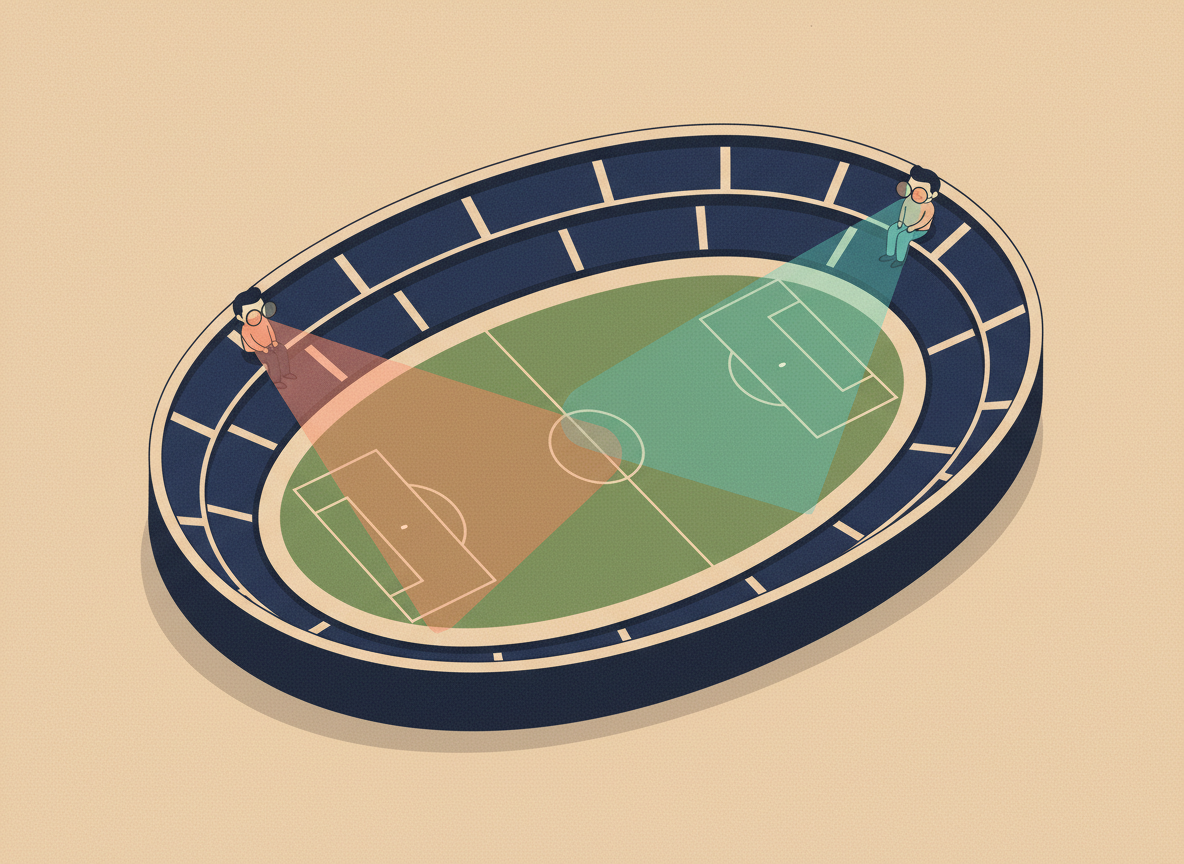
Why the Other Side Always Looks Extreme to You: Naive Realism
We each feel like the reasonable middle, so anyone who disagrees looks far away. What a 1951 football game, a news study…

Why You Leave the Pre-Checked Box Checked: The Default Effect
A pre-checked box feels like “just how it is.” That feeling is the trick. What a lottery court case, a 401(k) plan…
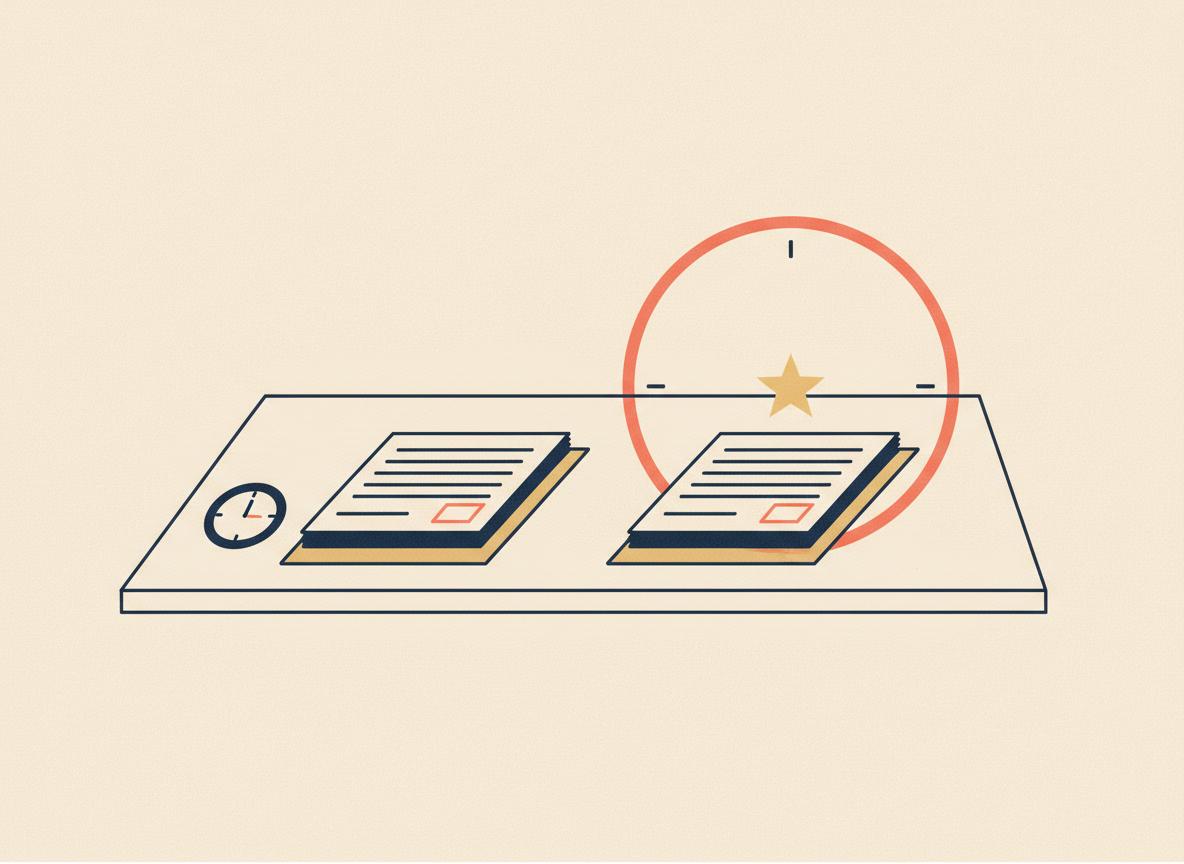
Why the Same Work Looks Better When It Took Longer: Effort Heuristic
A one-hour task, delivered after four hours, earned more praise. What poems, paintings, a locksmith and late-night office lights reveal about why…